
Halloween Fashion Stories: The Meaning Behind the Masks

Halloween, celebrated on October 31st, is filled with excitement and mystery. It marks a time when the barrier between the living and the dead is believed to be at its thinnest. With spooky decorations, trick-or-treating, and a wide variety of costumes, Halloween is an opportunity for creativity and fun. But where did this tradition come from? What motivates people to choose specific outfits? In this article, we will explore the evolution of Halloween costumes, the cultural meanings behind them, and the emotions they stir in people today.

The Beginnings of Varied Halloween Costumes
The tradition of wearing costumes on Halloween dates back to ancient Celtic festivals, notably Samhain. During this time, people thought the spirits of the dead roamed the earth. To scare off these apparitions, folks donned disguises, often made from animal skins and heads. Over hundreds of years, this practice evolved, influenced by different cultures and traditions.

The colorful array of Halloween costumes has its roots over 2,000 years ago with the Celtic festival Samhain, where people donned animal skins or eerie masks to hide from roaming spirits.
As this tradition spread across Ireland, Scotland, and England, it evolved into “souling” and “guising” — dressing up and going from door to door in search of treats.
When the custom arrived in America, industrialization and pop culture shaped it into the imaginative, commercial costume tradition we cherish today.
What Influences the Most Popular Halloween Costumes?
Many individuals select Halloween costumes inspired by pop culture, including films, music, social media, and well-known figures.
Some prefer classic themes such as witches and ghosts, preserving the traditional Halloween essence.

For numerous people, costumes are a way to express their personality, focusing on identity, creativity, and communal enjoyment.
How Long Has This Tradition Existed?
Halloween traditions have existed for over two thousand years, but the modern version — featuring trick-or-treating, store-bought costumes, and themed parties — emerged in the 20th century.

The phrase “trick or treat” was first recorded in 1927, blending the ideas of generosity and playful mischief. At that time, children dressed up and visited homes to ask for sweets. The practice of giving candy has transformed into a community celebration, with over 60% of households participating in this fun tradition.
Reasons for Giving Candy (and Why Children Get Teased!)
One of the most delightful parts of Halloween is distributing candy to children. While handing out treats might seem straightforward, it has deep historical roots. People once offered food to wandering spirits as a form of tribute. Today, this tradition has evolved into a playful community event, filled with excitement and surprises.
Halloween also involves a playful sense of teasing. Playfully scaring children or hiding treats adds to the excitement. This light-hearted interaction creates unforgettable moments for families, helping them build lasting memories together.
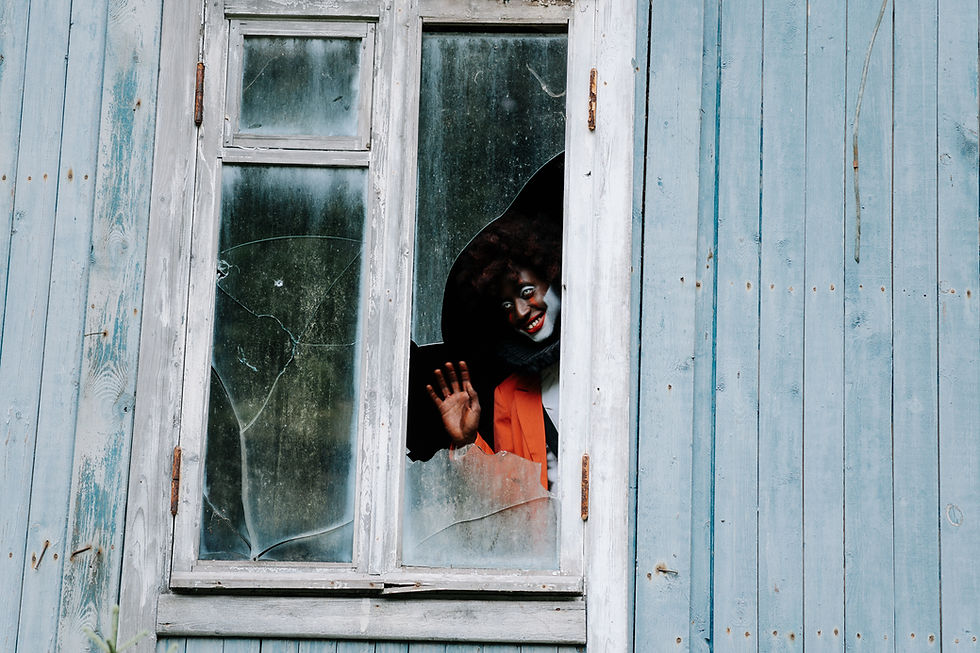
The tradition of giving candy began as a blend of old customs: in medieval Europe, people offered "soul cakes" in exchange for prayers for the deceased. By the 1900s, children started knocking on doors, humorously saying, "Trick or treat!"—meaning, "Give me a treat, or I'll play a prank!"
Why We Dress Up Weirdly And Scary!
Wearing scary costumes while distributing candy may feel contradictory, but it captures the essence of Halloween. The holiday merges fear and festivity, offering a safe space to confront fears. Scary costumes engage with the supernatural, while giving candy reflects community spirit.

Dressing scary goes back to ancient beliefs that spirits walked the earth on Halloween night. This blend of fear and fun gives Halloween a unique character. The decorations and costumes inspire creativity and encourage people to break from societal norms- mixing fun, fashion, and fight into one.
The Significance of the Vibrant, Lively Atmosphere
Halloween's lively colors create a powerful emotional response. The bright oranges, blacks, and purples associated with the holiday evoke excitement and nostalgia. For many, Halloween is an opportunity to relive cherished memories of childhood, whether dressing up or trick-or-treating.

The communal spirit surrounding Halloween further enhances feelings of belonging. Neighborhoods fill with decorations, and families unite to celebrate. Shared experiences create bonds within communities, deepening social connections and promoting unity.
Overview of Halloween Costume Designs and Colors
Halloween costumes have significantly changed, mirroring cultural shifts. While traditional costumes like ghosts, witches, and vampires continue to be popular, modern influences broaden the scope. Costumes now range from superheroes to historical figures, providing endless variety.

Color remains vital in shaping Halloween costumes. Iconic orange and black represent harvest and darkness, respectively. Other colors like purple and green have also gained popularity, adding to the festive vibe.
Ultimately, Halloween costumes weave together a rich tapestry of history, culture, and creativity. They grant individuals the chance to express themselves, confront fear, and forge connections with their communities in a joyful and meaningful way.

Embracing the Spirit of Halloween
Halloween brings more than just costumes and candy; it's a celebration of creativity, community, and cultural heritage. The evolution of Halloween costumes reflects diverse influences that shape our society. Meanwhile, the holiday's traditions foster connections among individuals and families.

As we embrace the excitement of the spooky season, let’s appreciate the significance behind our costumes and the joy they bring. Whether you opt for the classic ghost or a modern superhero, Halloween allows us to uncover our playful spirits. So gather your friends and family, choose your favorite costume, and immerse yourself in the enchanting world of Halloween!

Important Notice
⚠️ Disclaimer: The article “Halloween Fashion Stories: The Meaning Behind the Masks” examines the evolution of costumes from ancient traditions to contemporary styles. Learn why we wear costumes, the significance of the colors, and the enjoyment of Halloween fashion. It serves as a style guide and source of inspiration. All images, models, and outfits are intended for illustrative purposes only.

Comments